
Can You Convert a Normal Engine to a Turbo?
Yes, you can convert a naturally aspirated engine to a turbocharged setup. However, the process is complex and requires expert planning. A turbocharger forces more air into the engine, which increases power output significantly.
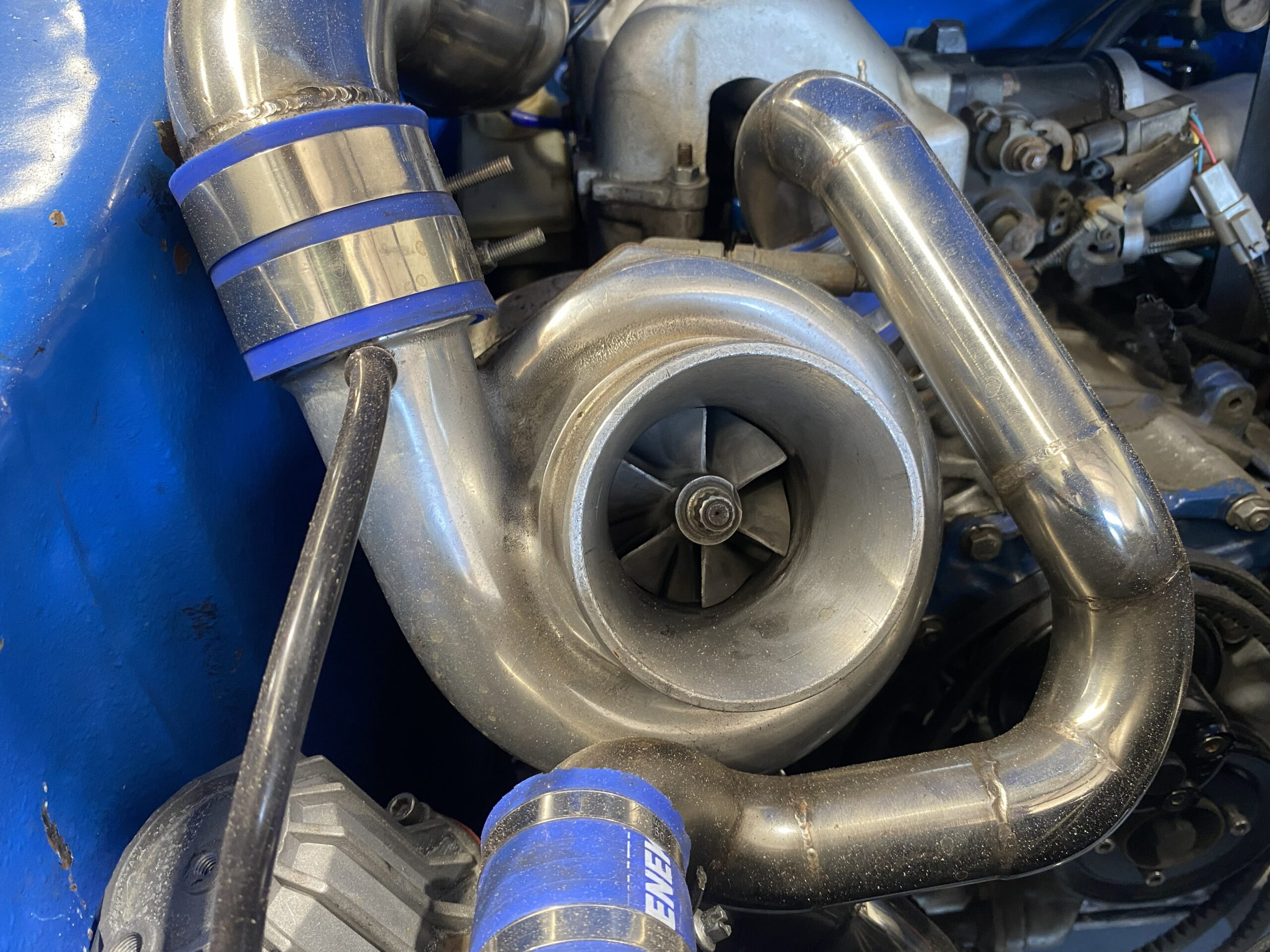
How Turbo Conversion Works
A turbo uses exhaust gases to spin a turbine. This turbine compresses air and pushes it into the engine. More air means more fuel burns, which creates more power.
Naturally aspirated engines rely only on atmospheric pressure for airflow. They produce less power compared to turbocharged engines of the same size.
What You Need to Upgrade
You cannot simply bolt on a turbo and expect safe performance. A proper conversion requires several upgrades:
- Stronger internal components like pistons and rods
- Upgraded fuel system and injectors
- Intercooler to reduce intake temperatures
- Custom ECU tuning
Most standard engines are not built for the added pressure and heat.
Benefits of Adding a Turbo
Turbocharging delivers noticeable gains when done correctly:
- Increased horsepower and torque
- Better performance without increasing engine size
- Improved high-speed efficiency
Turbo systems can boost power by 20–30% or more in some cases.
Challenges and Risks
Turbo conversions also introduce challenges:
- Higher engine stress and heat
- Increased maintenance requirements
- Potential reliability issues if poorly installed
Turbo engines are more complex and cost more to maintain due to added components.
Is It Worth It?
A turbo conversion can transform your driving experience. However, success depends on professional installation and proper tuning. Cutting corners can lead to engine damage and costly repairs.
If you want reliable performance gains, work with experienced specialists. Explore professional solutions here:
👉 Vehicle Services
Ready to upgrade your power? Get started with a custom setup:
👉 Get a Free Quote